
Once the season ends, a caravan, motorhome or boat may stand unused for months. The doors close, equipment is packed away, and attention moves elsewhere until spring. Inside, however, conditions continue to change.

During winter storage, the priority is to notice if the interior stays damp or conditions change from their usual pattern. A single humidity reading does not necessarily indicate a problem. By monitoring temperature and humidity together and checking the space in person when needed, you can focus on the right action.
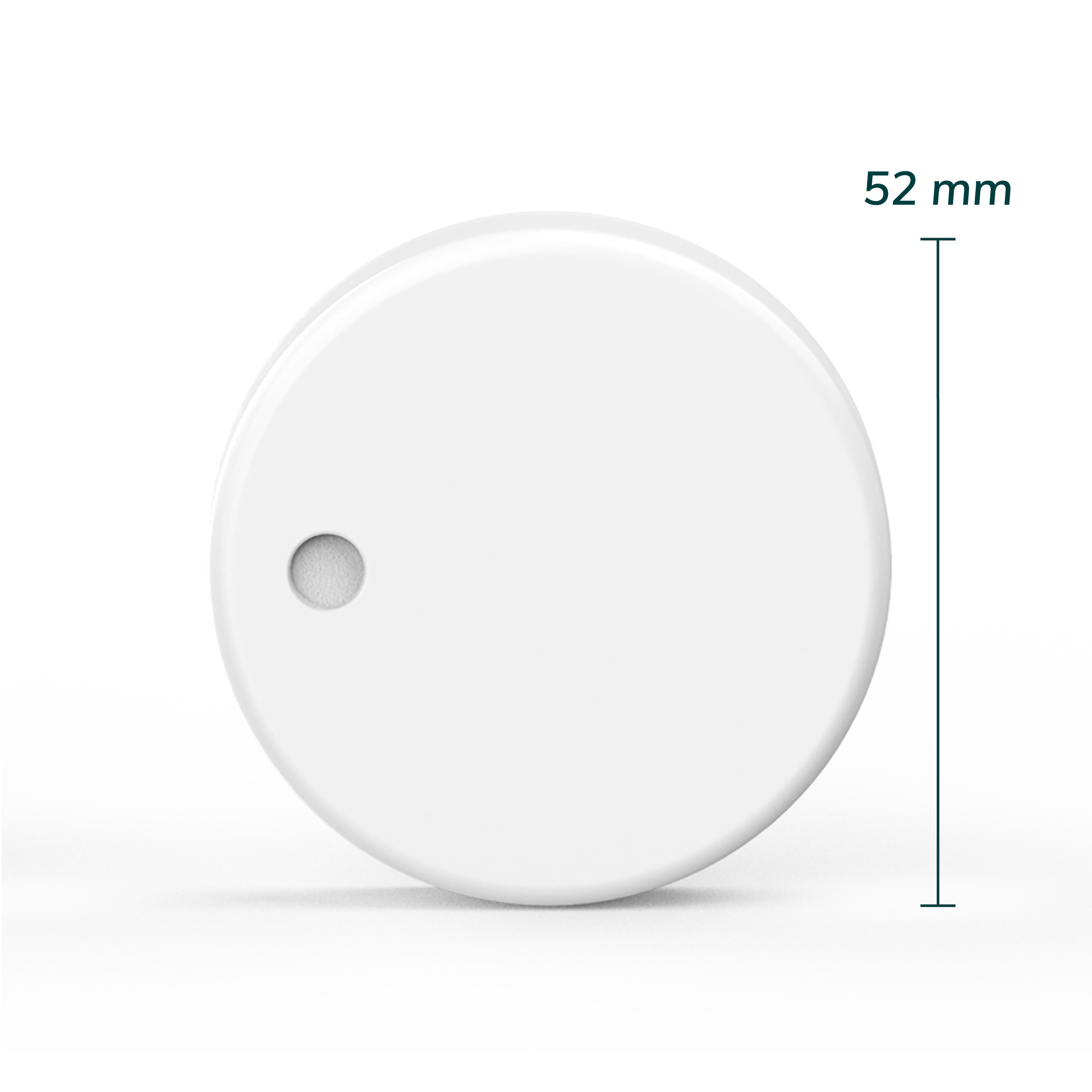
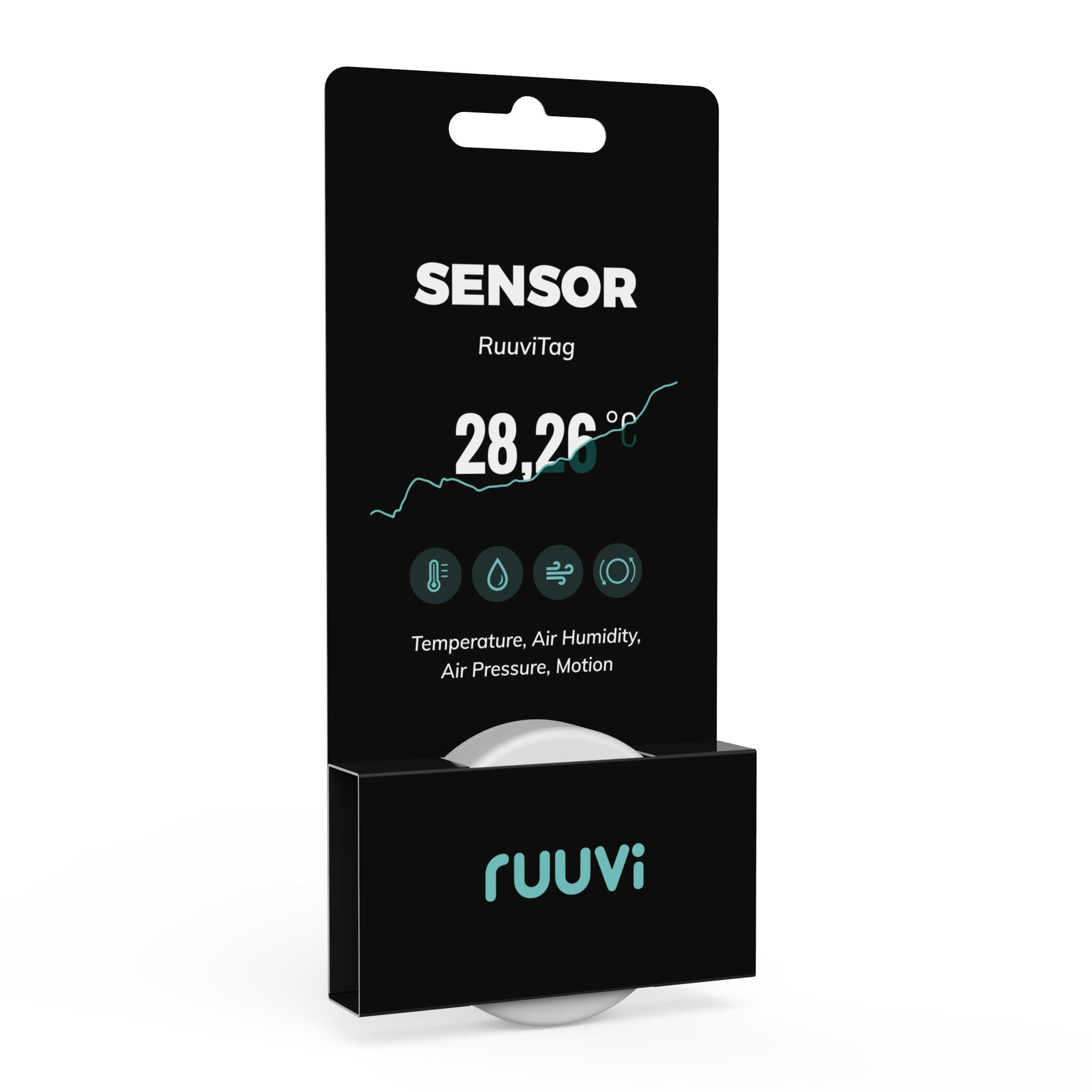
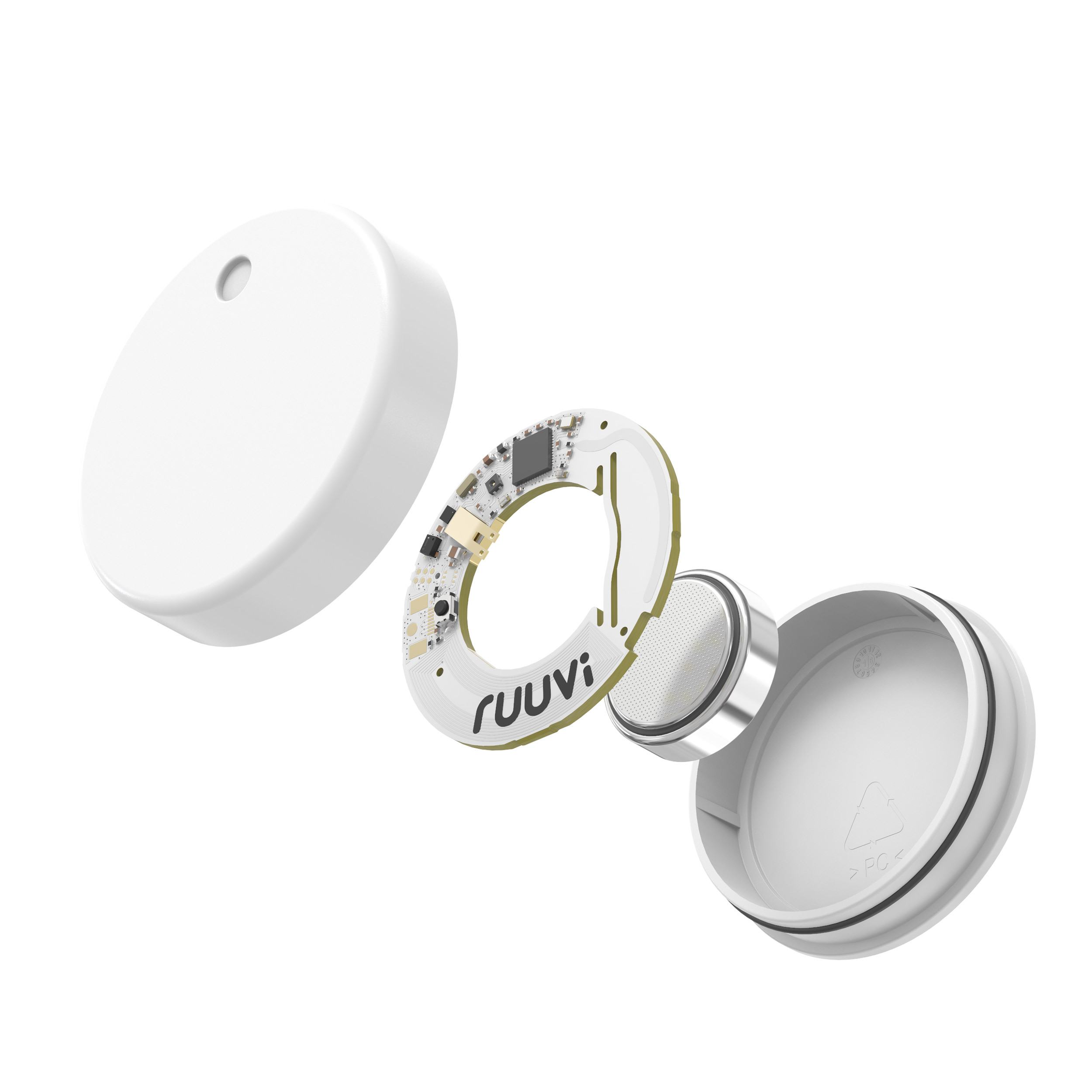
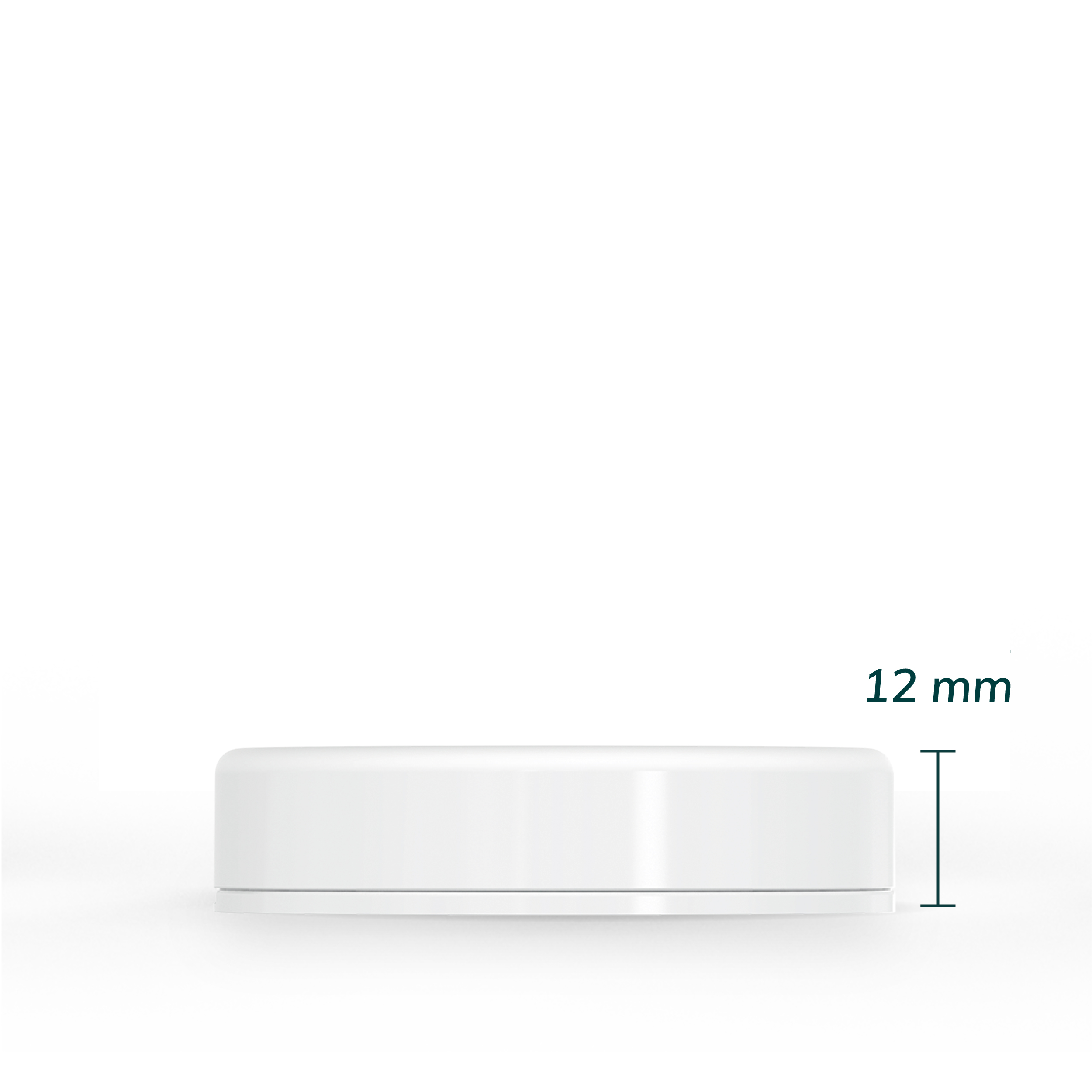
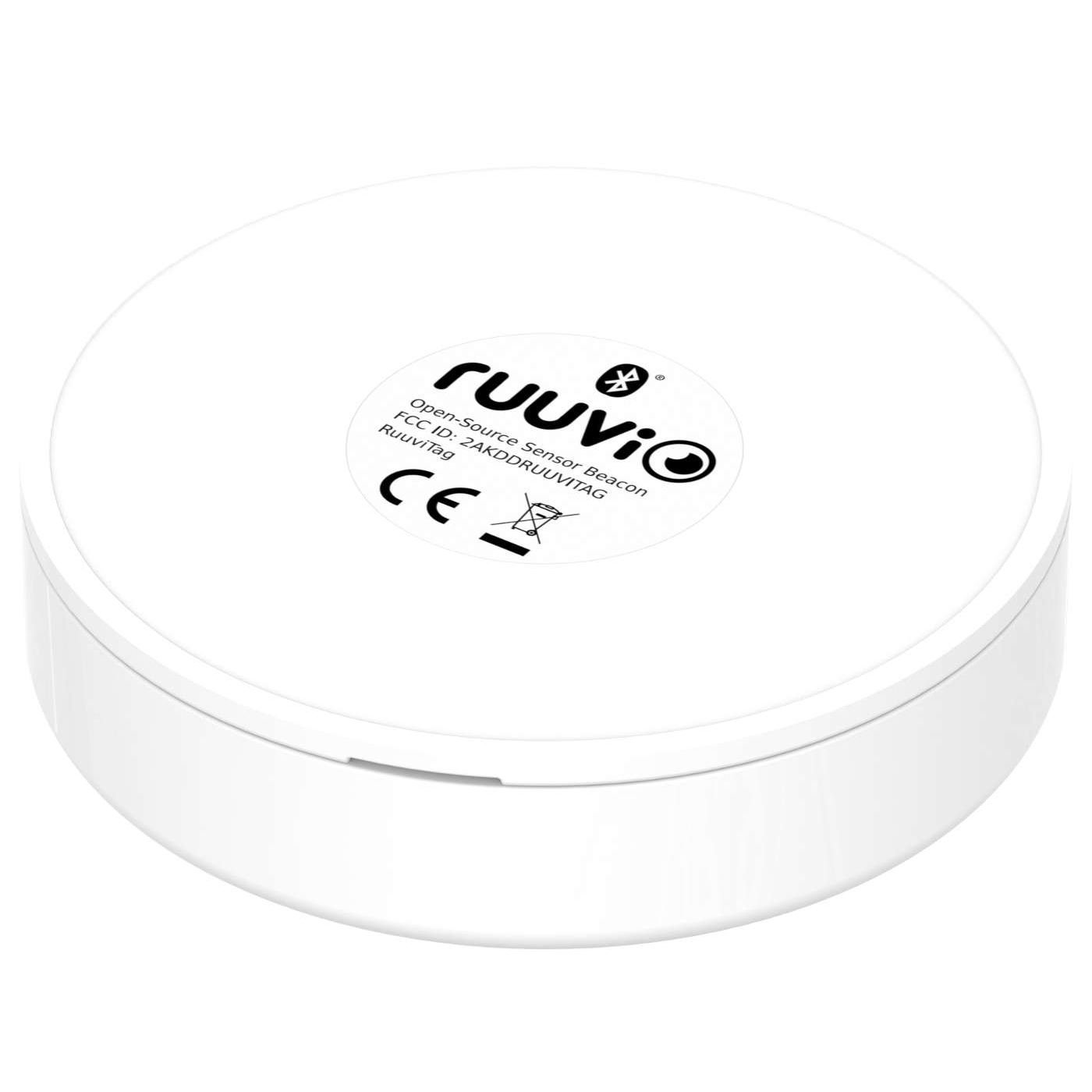
RuuviTag is a wireless Bluetooth sensor that measures temperature and relative humidity. Leave it inside your caravan, motorhome or boat, and you can view measurements in the Ruuvi Station app on your phone within Bluetooth range. Following temperature and humidity helps you recognise when conditions need a closer look.
Start winter storage with a dry interior
Before the winter break, check that water cannot get inside. Dry wet equipment, clean surfaces and, where possible, move bedding, clothing and other moisture-sensitive belongings to a dry storage space.
Allow air to circulate around mattresses and seat cushions that remain inside. Avoid packing belongings tightly against cold exterior walls. Follow the manufacturer’s winter storage and ventilation instructions for your caravan, motorhome or boat.
In a caravan or motorhome, pay particular attention to window surrounds, roof vents and storage compartments. In a boat, also check accessible areas where water may remain.
Place the sensor where air can circulate around it. Avoid direct contact with cold windows and exterior walls, and locations where water could drip onto the sensor or condensation could form on it. If you monitor a storage compartment separately, choose a suitable position for the sensor there too.
When humidity rises overnight
First, check whether the temperature has dropped at the same time. As air cools, relative humidity can rise even without additional water entering the space. An overnight increase alone does not necessarily mean there is a leak.
Watch whether the same pattern repeats and how the reading changes as the temperature rises. If humidity stays higher than before at a comparable temperature, or you see moisture inside, check the space in person. A low reading on a sunny afternoon does not, by itself, confirm that the interior has dried.
When droplets appear on windows or cushions feel damp
Wipe away visible water and check the surfaces below windows, the undersides of mattresses, the backs of seat cushions and areas beside cold exterior walls. Moisture can collect in these places even when a reading from the centre of the living area looks normal.
Move damp textiles somewhere they can dry, and arrange belongings so air can circulate. Find out where the moisture comes from: is it condensing on a cold surface, or is water entering from outside? If the same spot becomes wet again, simply drying the surface is not enough.
When humidity stays high or the interior smells musty
Do not wait for a particular threshold. Persistent dampness, a musty smell, staining or wet materials are reasons to inspect the space. Pay particular attention when the weather becomes milder.
Check for leaks, ventilation problems and sources of moisture left inside. Remove wet belongings and assess whether further drying is needed. If you cannot identify the cause or suspect moisture within the structure, ask a professional to investigate. An air sensor does not measure moisture inside a wall.
There is no single time limit for mould growth in every situation. Investigate the cause of dampness instead of waiting for a certain number of days to pass or a reading to cross a threshold.
When the weather turns milder or snow melts
Inspect the interior after rain, thawing conditions and significant weather changes. Look for new water marks and compare measurements with previous days. An unusual change can help you recognise when a visit is needed.
Do not assume mild weather is always the best time for prolonged airing. Warm, humid outdoor air can bring moisture into an interior that is still cold. Maintain ventilation according to the manufacturer’s instructions, and assess any additional airing by checking both the measurements and whether surfaces are drying.
When using a heater or dehumidifier
When heating starts, the humidity percentage may fall quickly. This alone does not show that wet materials have dried or that moisture has left the space. Check surfaces too, and watch what happens when heating is reduced.
Make sure the heater or dehumidifier is suitable for the temperature in the storage space, and follow the equipment and storage-site instructions. During use, check whether signs of dampness are decreasing and whether the improvement lasts.
Make monitoring part of your winter checks
Look at the measurement history rather than a single reading. This helps you learn what fluctuations are normal in your caravan, motorhome or boat. If something changes, compare it with the weather and visit when needed.
Check the same places on each visit: windows, areas beside cold walls, the undersides of mattresses and cushions, and storage compartments. If you suspect one area is damper than the rest, a second measurement point can help you compare conditions.
The figures below help explain the measurements, but they cannot, on their own, confirm that a caravan, motorhome or boat is dry and in good condition.
| Information | What it means in practice |
|---|---|
| Relative humidity changes with temperature. | A reading can rise as the air cools without a new source of moisture. Check the temperature too. |
| At an air temperature of 10 °C and 80% relative humidity, the dew point is approximately 6.7 °C. | Water can condense on surfaces colder than this, even when the interior air is above freezing. This is a calculated example, not a storage threshold. Calculation background. |
| In studies of wood, prolonged humidity above 80% has favoured mould growth. | This is not a universal safety threshold for all materials. Do not wait for it to be exceeded if you notice wet surfaces or a musty smell. |
Monitor conditions remotely with Ruuvi Gateway
For remote monitoring, you can add Ruuvi Gateway and Ruuvi Cloud where suitable power and internet connectivity are available. RuuviTag also works with supported Victron systems. See Ruuvi’s Victron integration overview for compatible options.
Measurements help you recognise when a change in conditions calls for a visit. They support careful winter preparation with information throughout the storage season.




RuuviTag Sensor (4in1)
Keep track of humidity and temperature in your boat or motorhome throughout winter storage
39,90€
Ruuvi is based in Finland. If you’re an EU consumer, VAT is included. If you’re a non-EU customer, you don't pay VAT. If you're an EU business, insert your VAT ID at checkout.
RuuviTag Sensor (4in1)
Customer photos and videos
RuuviTag Sensor (4in1)
| Quantity | Unit Price(€) |
|---|---|
| 1 | 39,90 |
| 2 | 37,40 |
| 3-5 | 36,90 |
| 6-8 | 35,90 |
| 9-12 | 34,90 |
| 13-25 | 33,90 |
| 26-99 | 32,90 |
Are you looking for bigger quantities? Contact us for pricing.
Der Ruuvi Tag sendet seit mehr als 12 Monaten zuverlässig Daten aus unserem Wohnwagen-Kühlschrank.
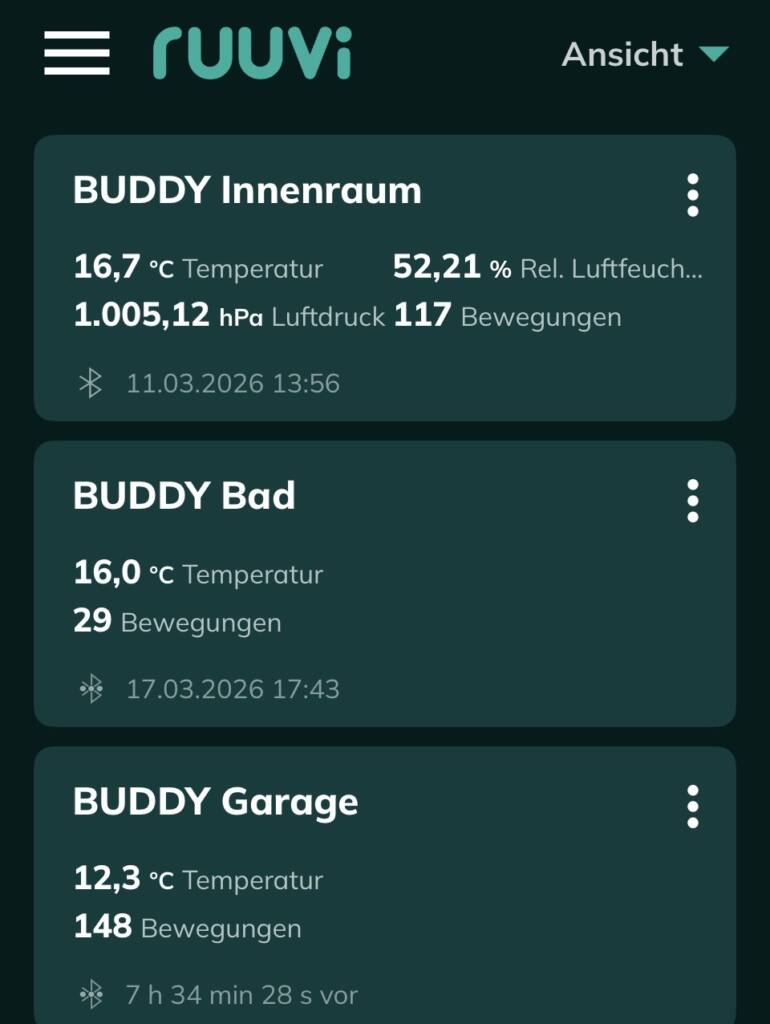
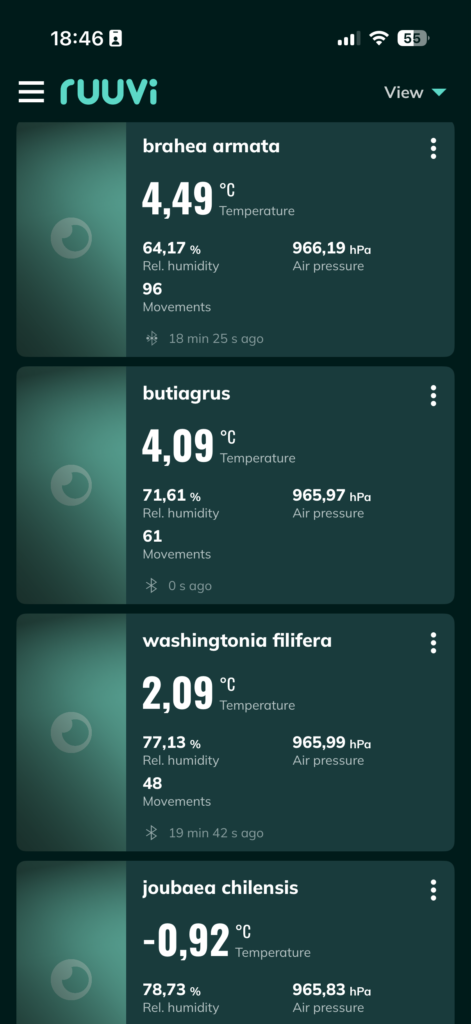
Die App ist einfach zu bedienen und liefert schlüssige Daten.
Ich habe schon weitere Sensoren bestellt.
Toimii ihan loistavasti. Hemmetin tekoäly vain antoi ymmärtää,että tällä voi suoraan ohjata Ilppiä. Nyt suunnittelen Gatewayn hankkimista.
Toimii hyvin
Excellent. Super technology that seamless integrated to my Victron CerboGX/VRM. I highly recommend!
⭐⭐⭐⭐⭐ Excellent sensors for RV monitoring and Victron VRM integration
I am extremely satisfied with my Ruuvi sensors.
I use several of them in different locations inside my motorhome: in the refrigerator, battery compartment, living area, kitchen area and other positions. Installation was very simple and the sensors have been working flawlessly from day one.
What impressed me most is the excellent integration with the Victron ecosystem. Through Victron VRM I can monitor all sensor data remotely 24/7, which is incredibly useful when living and travelling off-grid.
The accuracy is outstanding. The pressure readings of different sensors are almost identical, showing only minimal differences, which gives me great confidence in the quality of the measurements. Temperature and humidity readings have also proven to be very reliable.
I have even used the sensors to evaluate the performance of a portable compressor cooler. Thanks to the precise temperature logging, I was able to see that the cooler dropped from 20°C to 0°C in about 30 minutes and reached -20°C in less than an hour. Without Ruuvi sensors, such testing would have been much more difficult.
Battery life has been excellent, setup is easy, and the overall user experience is outstanding.
For anyone using Victron equipment, RVs, boats, off-grid systems, refrigerators, freezers or environmental monitoring, I can highly recommend Ruuvi sensors.
Hard to say anything bad. It does exactly what it promises.